
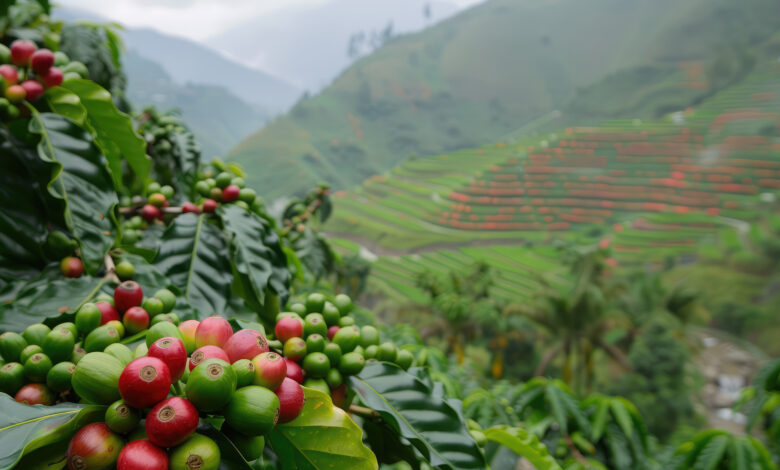
Organic coffee farming in Kenya is redefining the global coffee market, offering a sustainable and flavorful alternative that is as kind to the environment as it is to your taste buds.
Did you know that while Kenya produces only a small percentage of the world’s coffee, its organic varieties are becoming highly sought after for their bold flavors and eco-conscious cultivation?
With consumers increasingly favoring sustainable practices, organic coffee farming has the potential to boost incomes for Kenyan farmers while preserving the country’s rich biodiversity.
But what does it take to grow coffee without synthetic fertilizers or pesticides in a competitive market?
This article explores the growing movement of organic coffee farming in Kenya, shedding light on its benefits, challenges, and the future it promises for farmers and coffee lovers
Benefits of Organic Coffee Farming
Going organic in your Kenyan coffee farming adventures isn’t just about fancy titles—it has perks that go far beyond the beans.
Environmental Impact
Traditional farming can lead to problems like cutting down forests and polluting habitats.
By going organic, you steer clear of nasty chemicals and opt for eco-friendly tricks like multi-layered farms and, yes, organic fertilizers.
Health Benefits
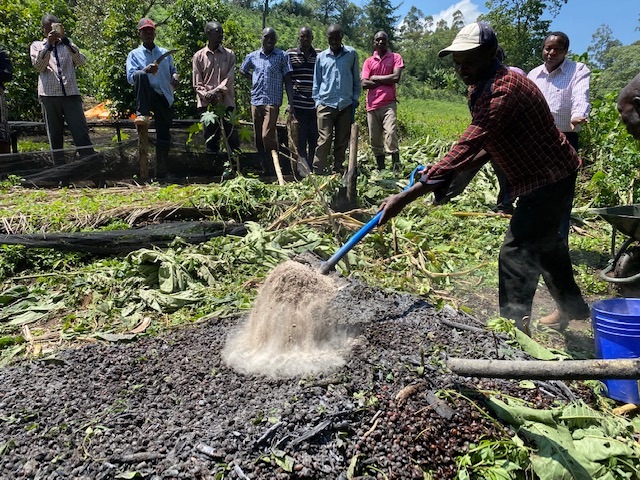
Swap those artificial fertilizers for natural stuff like chicken poop, coffee leftovers, and compost.
It’s healthier for you and the folks who work with you, keeping everyone away from icky toxins.
Economic Gains
Organic coffee can fetch some sweet prices on the market.
Folks are willing to shell out extra for that “organic” label, boosting your profits.
Check out more cash tips in our Premiums for Organic Coffee section.
Soil Health
Organic rules mean you get three years of using only the good stuff for your crops.
This helps keep pests at bay and saves the soil from turning into dust bunnies.
Sustainable Practices
Let’s talk about the cool practices that make organic coffee farming a win-win for the planet and your farm’s future.
Practice Description
Organic Fertilizers Chicken manure, coffee pulp, bocachi, or compost
Crop Rotation Sustainable rotation, keeping soil and critters happy
Shade-Grown Coffee Trees provide shade and improve biodiversity
Beneficial Insects Nature’s own pest busters
If you’re keen to dive deeper into these practices, our section on Sustainable Practices in Organic Coffee Farming has got your back.
By picking up these trusty tricks, you don’t just give your coffee an edge—you’re also helping keep Kenya’s natural beauty in tip-top shape.
For more juicy details on the full story of coffee farming in Kenya, check out our sections on the TRACE Kenya Project and how we’re lending a hand to smallholder farmers.
Advantages of Organic Coffee Farming
Environmental Impact
Organic coffee farming is a champion for Mother Nature, stepping up to the plate with an eco-friendly alternative to the usual chemical-driven methods.
Skip the nasty pesticides and fertilizers – going organic means farms breathe life into ecosystems rather than choke them.
It’s like nature giving you a high-five.
Take Kenya for instance, where organic practices are like rolling out the red carpet for wildlife, aiding biodiversity, and creating a harmony-filled haven for animals and plants.
The earth stays happy and unbothered, avoiding unnecessary chaos.
Check out these neat perks of going green with organic coffee farming:
Environmental Benefits Description
Reduced Pollution Keepin’ it fresh with fewer chemicals, ensuring the air and water stay pure.
Biodiversity Support Farms become five-star guesthouses for critters and plant life.
Soil Health Putting nature first builds up the soil’s strength and vitality.
Do you want to know how?
Dive into our bit on coffee processing in Kenya.
Health Benefits
Organic coffee not only cares for the planet but puts the pep back in your step without the dodgy extras.
Regular coffee sometimes gets a bad rap for its chemical baggage, like pesky pesticides, that linger around and mess with those beans.
But with organic coffee, just say “no” to unwanted chemicals — it’s like sipping peace of mind.
This choice might help keep funky substances at bay, looking out for your well-being in the process.
Plus, it’s a taste revelation with flavors so classic and pure you’ll think you’re drinking liquid gold, and that’s no exaggeration.
Let’s break down why going organic makes sense for you:
Health Benefits Description
Reduced Chemical Exposure Minimize run-ins with sketchy pesticides and residues.
Improved Flavor Say hello to coffee that’s bursting with its true, delicious self.
Healthier Coffee Way less of the worrying stuff like glyphosate lurking around.
Being in the know about these perks can help steer you in the right direction for a healthier cup of joe and contribute to a more sustainable tomorrow.
Curious about coffee’s backstory?
Check out the history of coffee in Kenya to see how it all started.
Transitioning to Organic Coffee Farming
Switching to organic coffee farming in Kenya can be a goldmine for both nature lovers and business folks.
But, getting there takes a bit of grit and patience, involving a transition period followed by a certification dance.
Conversion Period
Think of the conversion period as your boot camp for organic coffee farming.
In Kenya, you’ll need to stick to this regime for three years.
During this time, you learn to say goodbye to synthetic chemicals and other no-no substances to get your coffee the official ‘organic’ badge.
For these three years, brace yourself as you practice organic farming without the privilege of flaunting an organic label on your coffee bags.
This means you might not be cashing in those eco-friendly bucks right away.
However, for small farmers up in western Kenya, who’ve been doing it rough without fancy chemical helpers because of tight budgets, passing this phase could take as little as one year.
Conversion Period Duration
Standard Conversion 3 years
Small-holder Farmers 1 year without synthetic chemicals
Certification Process
Once you’ve endured the conversion period, it’s time for the real deal—certification.
This is your ticket to the big leagues, letting you slap that organic label on your coffee, potentially upping its price tag.
The path to certification means buddying up with a legit certifying group.
In Kenya, programs like the TRACE Kenya project lend a hand to small farmers, funded by Denmark’s Ministry of Foreign Affairs and in cahoots with Solidaridad East and Central Africa.
They’ve got the backs of 15,000 farmers in places like Bungoma, Kericho, and Nandi, helping them rise to global organic standards.
Here’s how certification rolls.
Certification Process Steps
Application Submit to certifying body
Inspection Inspector visits farm
Compliance Review Certifying body reviews report
Certification Decision Receive certification if compliant
Want more on the coffee scene?
Dive into our kenyan coffee industry for more goodies.
Initiatives in Kenya
TRACE Kenya Project
You ever thought about growing your own coffee?
Well, the TRACE Kenya project has given that dream a solid shot for about 15,000 farmers in Bungoma, Kericho, and Nandi.
Kicked off in September 2020, this project is all about turning dreams into reality for folks aiming to go organic in coffee farming.
It’s backed by the big shots from Denmark’s Ministry of Foreign Affairs (DANIDA) and partnered with heavy hitters like Solidaridad East and Central Africa, African Coffee Roasters, and Solidaridad Europe.
They’re teaching farmers the ins and outs of organic coffee that the world wants.
So, what is TRACE all about? It’s short for Transparency in Coffee and Empowerment for smallholders, which means they’re not just tackling certification.
No sir!
It’s about getting farmers to work smart with sustainable farming, keeping the soil and their pockets healthy, ensuring they don’t rely on synthetic stuff.
Farmers go through a three-year makeover period to learn and adopt practices that are more natural.
In the end, they get to sell their treasure to organic markets for extra bucks.
Check out more about this transformation in our organic coffee farming in Kenya.
County Number of Farmers Main Focus
Bungoma 5,000 Organic Certification
Kericho 5,000 Building Skills
Nandi 5,000 Green Farming Practices
Support for Smallholder Farmers
Let’s face it, being a small-holder farmer isn’t a walk in the park, especially when you can’t splurge on synthetic gibberish.
But hey, that can be a golden ticket for organic certification in just about a year!
With money in short supply, many farmers in western Kenya skip the chemicals by default, which kind of works in their favor.
As folks everywhere crave the green label drinks, private firms and friendly NGOs are stepping up to lend these farmers a hand.
They’re pushing eco-friendly methods like growing coffee under natural shade.
And the TRACE Kenya project is riding this wave, helping farmers hit those European and American markets with their pristine organic coffee (Tea & Coffee Magazine).
Here is a peek at how they’re getting it done:
Training Programs: Learning the ropes of organic coffee farming.
Resource Allocation: Tools to grow naturally, like organic fertilizers and pest control.
Market Access: Opening the door to places that love organic coffee.
Certification Assistance: Getting over the red tape of certification.
Aspiring coffee growers can cash in big time by tapping into these programs.
You can get your slice of the coffee craze by learning more about the Kenyan coffee industry.
So, why not jump in?
Our personal approach ensures tailored solutions that meet your unique needs. By prioritizing understanding, collaboration, and attention to detail, we create meaningful experiences and results designed just for you.

