01
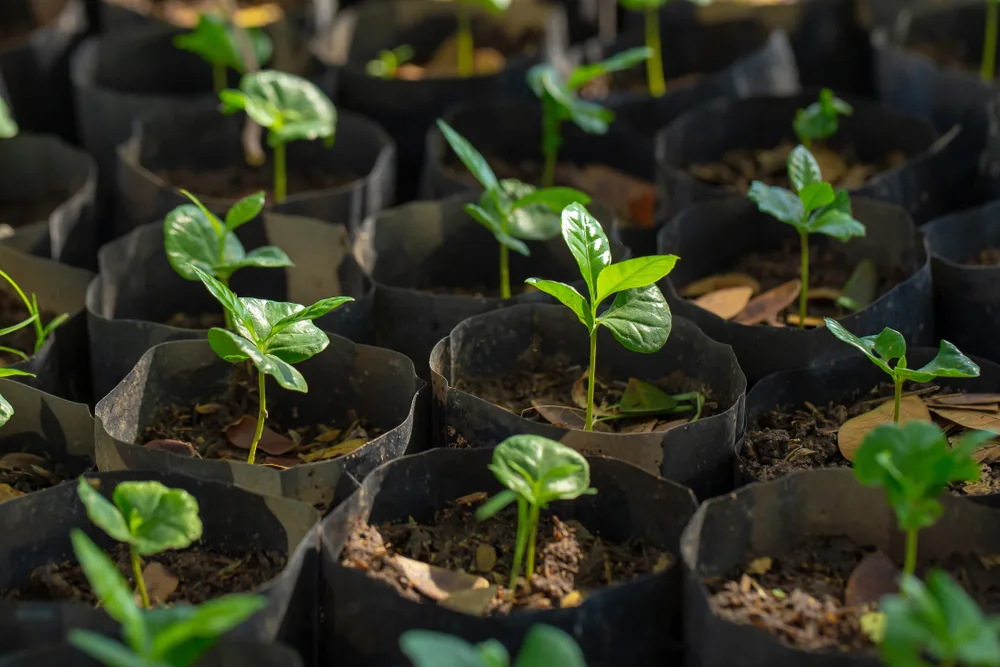
Cultivation Standards
Soil Management: Utilize organic soil management
practices, including composting and cover cropping,
to enrich the soil and enhance coffee plant health.
Seed Selection: Source high-quality, disease-resistant
seeds suitable for the Gusii climate, ensuring
optimal growth and flavor development.
02
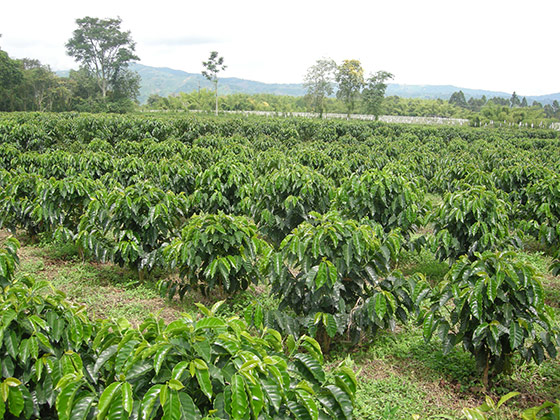
Growing Practices
Organic Farming: Adhere to certified organic farming
standards, avoiding synthetic fertilizers and
pesticides to protect the environment and biodiversity.
Monitoring and Maintenance: Regularly monitor
soil moisture, plant health, and pest presence,
implementing proactive measures for pest and weed
control using organic methods
03
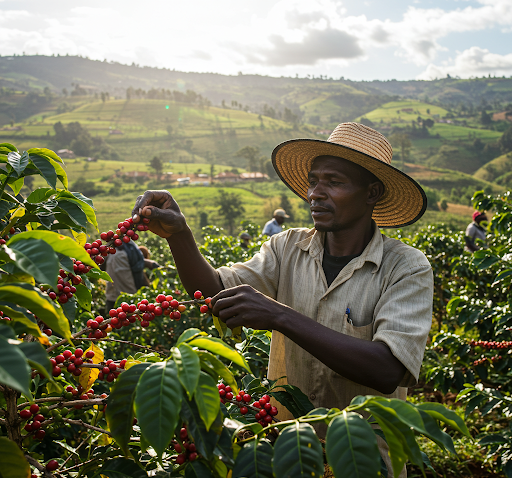
Harvesting Procedure
Timely Harvesting: Schedule harvesting when coffee cherries reach peak ripeness
to ensure optimal flavor and quality.
Selective Picking: Employ hand-picking techniques to select only the ripest cherries,
minimizing damage and ensuring quality.
04
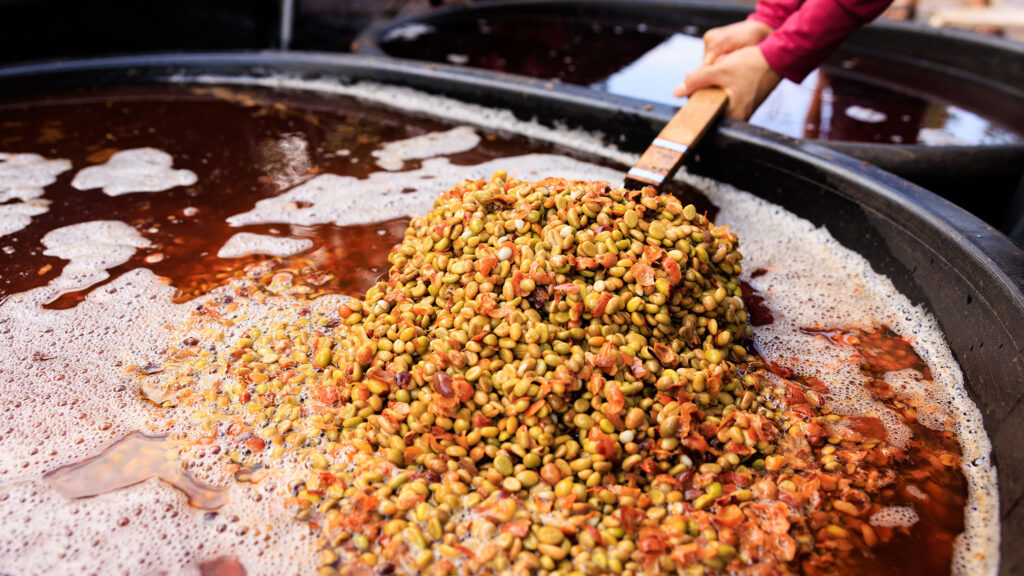
Processing Methods
Timely Harvesting: Schedule harvesting when coffee cherries reach peak ripeness
to ensure optimal flavor and quality.
Selective Picking: Employ hand-picking techniques to select only the ripest cherries,
minimizing damage and ensuring quality.
05
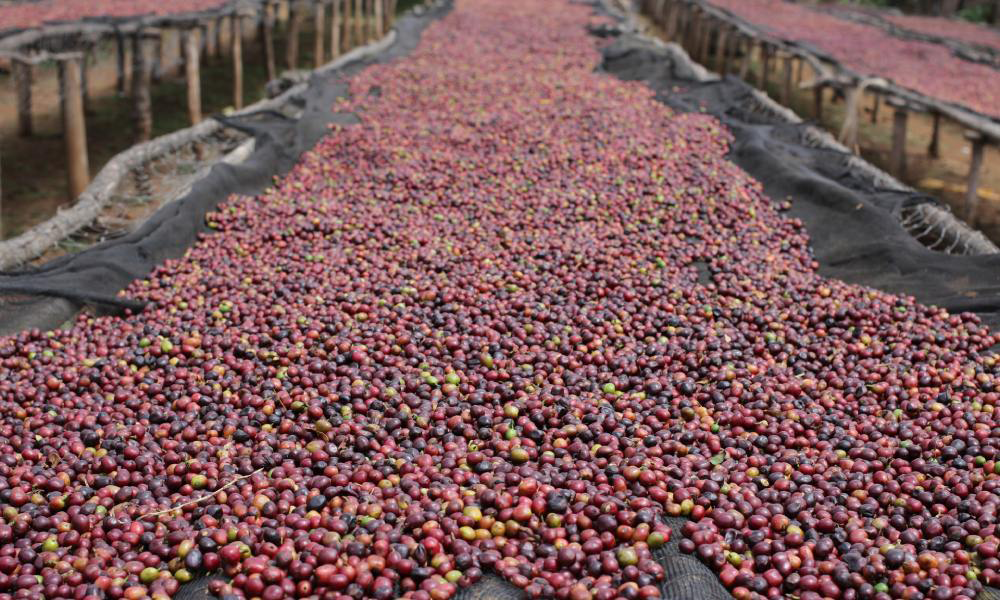
Drying Process
Sun Drying or Mechanical Drying: Utilize both
sun drying and climate-controlled mechanical drying
to ensure consistent moisture levels while enhancing
the beans’ natural flavors.
Quality Control Checks: Conduct regular quality checks
during the drying phase to ensure that moisture
content falls within industry standards (11-12%).
06
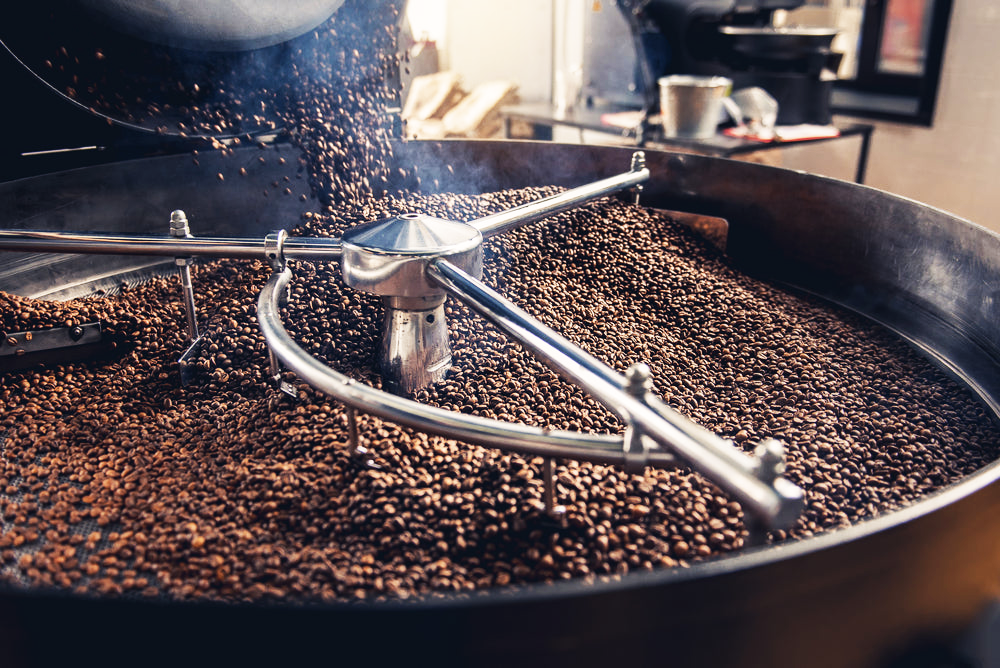
Roasting Process
Enter your Description here
07
Packaging Standards
Eco-Friendly Packaging: Implement sustainable
packaging solutions that preserve freshness and
are environmentally friendly.
Labeling: Ensure that all packaging includes necessary
product information, certifications, and traceability
details that resonate with our commitment to quality.

08
Distribution Quality Control
Logistics Management: Employ temperature-controlled
logistics where necessary to maintain product quality
during transportation.,
Quality Checks: Implement final quality checks before
dispatch to ensure that products meet all quality criteria
and reflect our brand’s standards.

09
Customer Feedback
Collecting Feedback: Engage with customers to gather
feedback on product quality, taste, and overall experience.
Continuous Improvement: Regularly review customer
feedback and incorporate it into ongoing training and
processes to enhance product quality and
service standards.